

Benefícios de PCBs em dispositivos médicos | Leadsintec
O avanço da tecnologia está beneficiando todas as indústrias, incluindo a indústria médica. Os dispositivos médicos estão cada vez mais pequenos, ainda mais poderoso, ao mesmo tempo em que atende às demandas da profissão. Inovações e avanços tecnológicos estão ajudando no projeto e na fabricação de dispositivos médicos compactos e complexos.
Como a indústria médica lida com a vida dos seres vivos, devem envolver essencialmente precisão e qualidade. Isto depende do Placas de circuito impresso ou PCBs que são a base para esses dispositivos. É por isso que Rush PCB Inc concentra mais atenção na qualidade dos PCBs para dispositivos médicos.
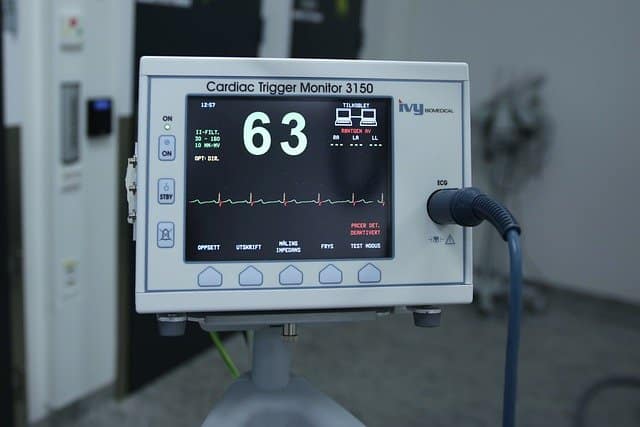
PCBS PARA DISPOSITIVOS MÉDICOS
Uma placa de circuito ou PCB necessária para projetar o dispositivo médico forma a espinha dorsal do dispositivo. Deve satisfazer os requisitos de projeto para as necessidades de instrumentação do dispositivo. Os projetistas devem prestar atenção à precisão e confiabilidade ao projetar PCBs para dispositivos médicos. Isto ocorre porque os dispositivos médicos são críticos, e eles salvam vidas.
Funcionalmente, um PCB integra os componentes eletrônicos que compõem o dispositivo médico. A placa de circuito ancora os componentes eletrônicos, tornando o dispositivo compacto e seguro para humanos. Como qualquer outro equipamento eletrônico, o PCB de um dispositivo médico pode conter uma ampla gama de componentes, incluindo componentes eletrônicos ativos e passivos. Além de fornecer suporte mecânico, a placa de circuito também fornece as interconexões elétricas necessárias para os componentes que a placa contém.
Condutores de cobre galvanizados na placa fornecem interconexões elétricas. Se a placa for multicamadas, esses condutores também estão presentes nas camadas internas, passando por vias ou orifícios para interconexão com condutores de cobre em outras camadas. A maioria dos PCBs para dispositivos médicos são de última geração e apresentam alto desempenho.
CONSIDERAÇÕES DE PROJETO DE PCB PARA DISPOSITIVOS MÉDICOS
Como os dispositivos médicos salvam vidas, eles são delicados o suficiente para enfatizar a precisão e a qualidade durante o design, fabricação, e montagem. Por exemplo, considerações de design devem incluir:
SEGURANÇA
Este é um fator importante, pois os dispositivos médicos devem ser seguros para uso. Os PCBs devem ser bem projetados para evitar qualquer choque ao paciente. O projetista deve prestar atenção ao fator de segurança ao projetar o PCB.
PRECISÃO, PRECISÃO & REPETIBILIDADE
Como as vidas humanas dependem deles, PCBs para dispositivos médicos devem ser precisos, preciso, e repetível em sua funcionalidade. O projetista deve prestar atenção a esses fatores também quando projetando o PCB.
CONFIABILIDADE
A confiabilidade de um dispositivo médico é muito essencial, especialmente ao monitorar um paciente. Como a confiabilidade do dispositivo depende do PCB dentro dele, o projetista deve fazer todos os esforços para maximizar a confiabilidade dos componentes e do PCB ao projetar.
BAIXA EMI/EMC
À medida que os dispositivos médicos se conectam aos seres humanos, os dispositivos devem atender rigorosamente às especificações de baixo EMI/EMC. Isso significa que os PCBs dentro do dispositivo também devem atender a essas especificações. Os projetistas devem prestar atenção adequada à EMI/EMC ao projetar PCBs de nível médico.
SMT PARA PCBS EM DISPOSITIVOS MÉDICOS
Existem dois tipos principais de componentes em uso na indústria eletrônica: componentes com cabos longos ou tecnologia Through-Hole. (Tht), e componentes sem cabos ou tecnologia de montagem em superfície (Smt). Os fabricantes preferem componentes SMT para dispositivos médicos, como estes são menores, menos caro, e mais confiável em comparação com componentes THT.
A ausência de cabos nos componentes SMT significa que a PCB não requer furos para montá-los. Isso melhora a confiabilidade da placa. Também, o processo de montagem de componentes SMT proporciona ancoragem e soldagem rígidas, o que também melhora o desempenho e a confiabilidade do dispositivo mesmo enfrentando vibrações e movimentos constantes.
Como os componentes SMT são muito menores que seus equivalentes THT, a densidade do componente pode ser muito maior na placa. Portanto, todo o tamanho do PCB pode ser muito menor comparativamente, resultando em um tamanho mais compacto para o dispositivo médico.
Atualmente, Fabricantes de PCB prefira componentes SMT para dispositivos médicos. Seu tamanho menor, melhor desempenho, menor custo, e facilidade de montagem, torná-los altamente populares. Além disso, os fabricantes podem usar métodos automatizados de montagem, que elimina qualquer envolvimento manual durante todo o processo de fabricação, melhorando assim a qualidade e a confiabilidade.
FABRICANTES DE PCB PARA DISPOSITIVOS MÉDICOS
Os fabricantes devem atender a requisitos específicos para PCBs a serem usados em dispositivos médicos. Design de PCB para dispositivos médicos é uma atividade complexa, já que falhas em dispositivos médicos podem causar danos maiores – um paciente pode morrer como resultado. Os fabricantes de PCB para dispositivos médicos devem aderir aos padrões e regulamentos internacionais, como os estipulados pela FDA, CIP, e ISO. Tipicamente, eles classificam os dispositivos como Classe 1, Aula 2, e classe 3.
Dispositivos médicos de classe 1 são de baixo risco. Eles incluem suportes IV, bandagens adesivas, comadres, etc., e estão sujeitos ao nível mais baixo de controles regulatórios.
Dispositivos médicos de classe 2 estão associados a um nível de risco superior ao da Classe 1, mas inferior ao da classe 3. Isso inclui seringas, manguitos de pressão arterial, cadeiras de rodas motorizadas, dispositivos de transfusão de sangue, etc., e estão sujeitos a níveis gerais e especiais de controle regulatório.
Dispositivos médicos de classe 3 estão associados ao mais alto nível de risco para pacientes e usuários. Esses dispositivos são normalmente produtos de suporte à vida e estão sujeitos aos mais altos níveis de controle regulatório. PCBs médicos devem atender à classe 3 padrões eletrônicos.
CONCLUSÃO
A fabricação de PCBs médicos é um processo crucial. A criticidade dos dispositivos médicos os torna tão importantes. Além disso, pois esses dispositivos salvam vidas, há uma necessidade adicional de atenção séria durante o projeto e a fabricação. Rush PCB Inc enfatiza controle de alta qualidade na fabricação de PCBs para equipamentos médicos.


